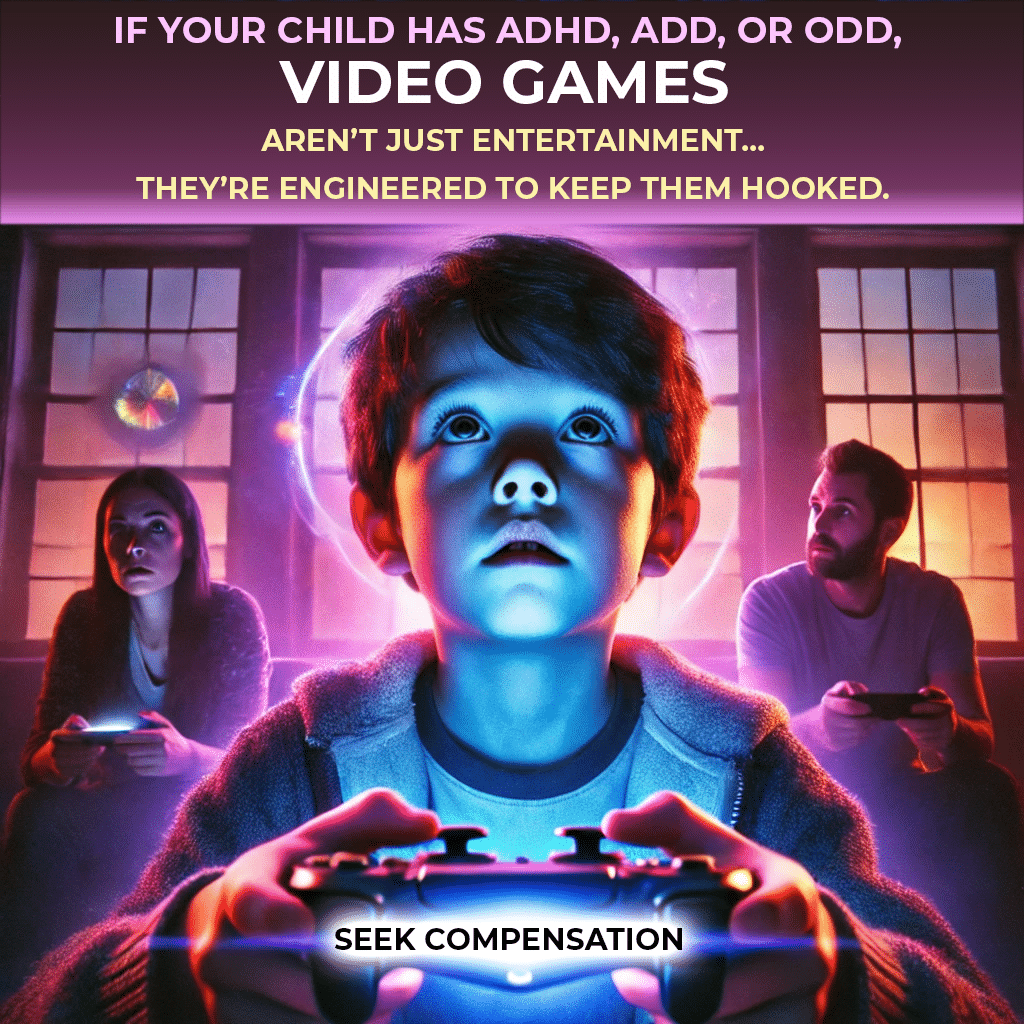

Video game addiction litigation is an active mass tort in 2026 involving claims that major gaming publishers designed inherently addictive products causing psychological harm to minors and young adults, with multiple state court filings testing design defect theories and the FTC increasing regulatory scrutiny of monetization mechanics like loot boxes. Early cases mirror social media addiction frameworks, and an MDL formation appears likely within 18 months. Plaintiff attorneys with existing gaming addiction claims face a narrow window to develop strong causation evidence before settlement values plateau.
I’ve managed over $250 million in Facebook ad spend across 600+ plaintiff law firms and 100+ mass torts. What I’m seeing now with video game addiction is eerily familiar: regulatory momentum building (FTC loot box scrutiny), scientific causation evidence developing (ICD-11 gaming disorder diagnosis now official), and early-stage state court filings testing design defect theories that mirror the social media playbook perfectly. The difference? Right now, most plaintiff bars haven’t woken up to this yet. That’s your advantage.
Why Video Game Addiction Litigation Is Emerging Now—And Why 2026 Matters
Video game addiction is not a hypothetical problem. The World Health Organization added gaming disorder to the ICD-11 diagnostic manual in 2019. The FTC has opened formal investigations into loot box mechanics in games published by Activision, EA, and Epic Games. Belgium and the Netherlands have already classified loot boxes as gambling and restricted them. And critically, we now have medical evidence, regulatory precedent, and a generation of minors with documented gaming disorder diagnoses sitting in treatment records waiting for a case to be filed.
The video game addiction lawsuit gaming disorder litigation 2026 window is narrow. Once an MDL forms—and it will, probably in 2025 or early 2026—the CPL (cost per lead) will jump dramatically, court coordination will slow everything down, and boutique plaintiff firms will struggle to move cases quickly. Right now, state courts are still open. Claimants are still unrepresented. And the science is fresh enough that early cases will set favorable precedent.
Here’s what makes this moment different from other emerging torts: the design defect theory is proven. We already won the causation argument in the social media MDL. Variable reward schedules, dopamine loop manipulation, intentional targeting of developing brains—these mechanisms are documented in gaming mechanics too. Loot boxes, auto-play systems, battle passes with FOMO (fear of missing out) design, and in-app purchase friction loops are all engineered to create compulsive behavior. The defendants know this. Activision’s internal documents, leaked during regulatory investigations, show explicit focus on “engagement loops” and “monetization psychology.” That’s exhibit one.
The Legal Landscape: MDL Formation, Defendants, and Settlement Outlook
Right now, there is no MDL. Early filings are happening in state courts—California, New York, Illinois. Plaintiff attorneys are testing design defect and failure-to-warn theories. Some are asserting consumer fraud under state laws (misrepresenting the addictive nature of loot boxes). Others are pushing negligence claims on the theory that game publishers knew or should have known their mechanics would cause gaming disorder in minors.
The four biggest defendants—Activision Blizzard (now Microsoft), Electronic Arts, Epic Games, and Roblox—are all holding massive cash reserves and have already settled major litigation (Epic paid $750 million to the FTC in 2023 for COPPA violations). They will fight hard, but they also understand the cost of a protracted MDL. Early settlement discussions in analogous torts suggest these companies are open to resolution if the liability theory is solid and the damage model is reasonable.
Key defendants and their exposure:
- Activision Blizzard (Microsoft): Call of Duty and Overwatch loot box mechanics; documented internal focus on engagement psychology.
- Electronic Arts: FIFA/EA Sports FC Ultimate Team and Apex Legends—both heavy loot box revenue streams targeting minors.
- Epic Games: Fortnite V-Bucks and battle pass mechanics explicitly designed with FOMO mechanics; already paid $750M FTC settlement.
- Roblox Corporation: Platform with heavy in-game purchase targeting very young users; separate COPPA (Children’s Online Privacy Protection Act) exposure.
Settlement outlook: Early. We’re not looking at 2027 or 2028 resolution. If you file strong cases now, move them aggressively through discovery, and build a solid bellwether docket, settlement discussions could start as early as late 2025. Defendants will want this off their books before an MDL forms and discovery costs explode. That’s your leverage.
Who Qualifies: The Claimant Profile for Video Game Addiction Lawsuit Gaming Disorder Litigation 2026
Claimant criteria are straightforward—and stricter than some torts, which is actually good. The stronger the filter, the better the cases, the faster the settlements.
Core eligibility criteria:
- Age during gaming period: Minor (under 18) during the period of primary gaming exposure and harm. Older claimants who developed addiction as adults have weaker cases because the targeting theory hinges on developmental vulnerability.
- Documented diagnosis: ICD-11 gaming disorder diagnosis from a licensed mental health provider. This is not optional. Medical evidence of functional impairment (school truancy, academic decline, social isolation, sleep disruption) strengthens the case substantially.
- Intensity of exposure: Documented gaming sessions of 3+ hours daily with evidence of failed attempts to cut back. School or medical records showing the progression are gold.
- Functional harm: Documented harm—school suspensions, medical intervention, family disruption, diagnosed depression or anxiety co-morbid with gaming disorder. The stronger the functional impairment record, the higher the damages.
- Specific game titles: Fortnite, Call of Duty, Overwatch, FIFA/EA Sports FC, Apex Legends, Roblox. These have the strongest documented loot box and engagement mechanics.
Statute of limitations varies by state, but most states allow claims to be filed until age 18 or 19 (discovery rule often extends this). Minor tolling statutes apply in many jurisdictions, which is a major advantage for claimants who didn’t know gaming mechanics were designed to addict them until later in development.
Advertising Opportunity: CPL, Claimant Pool Size, and Targeting Strategy
This is where the real opportunity is. The claimant pool for video game addiction is massive. Estimates suggest 5–10% of youth gamers (roughly 2–5 million U.S. minors) meet clinical criteria for gaming disorder. Right now, 95% of them are unaware a case exists. That’s your market.
Current CPL estimates: $8–$15 per lead (extremely low compared to opioid at $20–$30 or social media at $15–$25). This is because the tort is not yet widely known and CPAs haven’t saturated Facebook and Google yet. By 2026, expect CPLs to triple once an MDL forms and major plaintiff firms enter the market with big budgets.
Facebook and Instagram targeting approach:
- Audience segments: Parents of gamers aged 12–18, individuals aged 18–25 who gamed as minors, users interested in gaming disorder, mental health, or video game addiction recovery.
- Messaging: Focus on parental concern (“Your teen’s gaming habit—is it addiction?”), causation messaging (“Game companies designed these mechanics to addict”), and damages angle (“Harm to school, mental health, relationships”).
- Creative format: Short-form video (parents talking about lost school years, missed opportunities), testimonial content from young adults who recovered from gaming disorder, expert credibility (psychologists, researchers).
- Geographic focus: National campaign, but California, New York, Texas, Florida, and Illinois have the biggest populations and earliest litigation activity.
- Landing page strategy: Symptom checklist (does your teen exhibit X, Y, Z gaming disorder signs?), educational content (what is ICD-11 gaming disorder?), simple intake form, retargeting pixel to build warm audiences.
At Mass Tort Ad Agency, we run these campaigns under a transparent cost-plus model: you pay actual Facebook ad spend plus 15% management fee. No markups, no surprises. We’ve managed similar pre-MDL campaigns for social media litigation, asbestos exposure, and defective medical devices. We know how to build plaintiff pipelines before the market heats up.
What Mass Tort Ad Agency Brings to Your Video Game Addiction Campaign
If you’re serious about building a video game addiction lawsuit gaming disorder litigation 2026 practice, you need more than Facebook ads. You need strategic campaign architecture, legal-specific audience targeting, creative that converts parents and young adults, and real-time performance optimization.
Here’s what we deliver:
- Campaign strategy: We map your target market (parents vs. young adult claimants who gamed as minors), recommend channel mix (Facebook, Instagram, Google Search, YouTube), set realistic CPL and CPA targets based on your practice model.
- Creative development: We work with your case facts and causation theory to build messaging that resonates. For gaming addiction, we emphasize parental concern, expert credibility (medical/scientific evidence of harm), and damages (school impact, mental health consequences).
- Audience targeting: Precise Facebook Custom Audience and Lookalike modeling, interest-based targeting (parenting, mental health, gaming communities), and retargeting of warm prospects.
- Landing page optimization: We build intake pages that screen for case strength (ICD-11 symptoms, age during exposure, specific game titles, documented harm). This pre-qualifies leads and reduces wasted spend.
- Performance tracking: Weekly reporting on CPL, CPA, landing page conversion rate, form submission quality. We adjust targeting, creative, and budget allocation in real time to hit your cost targets.
- Compliance: All messaging complies with state bar rules, FTC advertising standards, and platform policies. No exaggeration, no misleading claims—just clear, factual causation messaging.
We’ve done this at scale: $250M+ in Facebook ad spend across 600+ plaintiff law firms in 100+ mass torts. We know which messaging moves claimants, which targeting segments convert fastest, and how to build sustainable pipelines before MDLs form and costs explode.
The Bottom Line: Video Game Addiction Lawsuit Gaming Disorder Litigation 2026 Is Your Window
The video game addiction lawsuit gaming disorder litigation 2026 space is open now. CPLs are low. State courts are available. Medical evidence is solid. Regulatory momentum is building. Defendants have cash and settlement appetite.
But this window is narrow. Once an MDL forms—and the FTC’s ongoing investigations suggest it will—costs will spike, discovery will slow, and early movers will have already built sustainable practices. The attorneys who move now will have the strongest cases, the lowest-cost plaintiff pipeline, and the leverage to negotiate early settlements.
If you’re ready to build a video game addiction campaign, contact Mass Tort Ad Agency. We’ll map your strategy, build your audience, develop your creative, and manage your spend so you can focus on case development and client service. Let’s talk about getting your video game addiction lawsuit gaming disorder litigation 2026 practice off the ground before the market shifts.
Frequently Asked Questions: Video Game Addiction Lawsuits
What is gaming disorder under ICD-11 and does it create legal liability for game publishers?
Gaming disorder was officially added to the WHO’s ICD-11 diagnostic manual in 2019, establishing clinical criteria for compulsive gaming behavior that causes significant impairment. This diagnostic recognition creates a causal foundation for design defect litigation similar to social media cases, as plaintiffs can now cite an internationally recognized medical condition allegedly induced by publisher monetization mechanics like loot boxes and engagement algorithms.
How should I qualify claimants for a video game addiction mass tort case?
Strong claimants typically include minors (under 18) or young adults diagnosed with gaming disorder by a licensed mental health professional, with documented evidence of excessive play (20+ hours weekly), failed attempts to reduce gaming, and measurable harm (academic failure, social isolation, job loss, or psychological treatment). Medical records showing the diagnosis pre-dates or correlates with specific game exposure, combined with proof the defendant used addictive mechanics (loot boxes, battle passes, engagement notifications), create the highest-value claims.
Is there an MDL for video game addiction litigation yet, and what’s the current filing status?
As of early 2026, no federal MDL has been centralized, though state court filings testing design defect and consumer protection theories against major publishers (Activision, EA, Epic Games) are active and building momentum. The FTC’s ongoing loot box investigations and regulatory actions in Belgium and the Netherlands are creating favorable precedent, but the MDL formation window is likely still 12-24 months away—meaning early-filed cases and strong plaintiff pipeline development provide significant first-mover advantage.
What’s the most effective way to advertise video game addiction claims to potential plaintiffs in 2026?
Facebook and Instagram ads targeting parents of teens (ages 13-22) with keywords around ‘gaming addiction,’ ‘loot box spending,’ and ‘gaming disorder treatment’ convert at the highest rates, especially when messaging focuses on specific titles (Fortnite, Call of Duty, EA Sports) and documented harm (failed school years, psychiatric diagnosis). Pairing social ad campaigns with SEO content around ‘is my child addicted to video games’ and ‘gaming disorder lawsuit’ captures both active problem-recognition and emerging awareness searches before competitors establish market saturation.
What scientific and regulatory evidence supports gaming addiction as a viable mass tort theory?
The FTC has launched formal investigations into loot box mechanics used by Activision, EA, and Epic Games; Belgium and the Netherlands have classified loot boxes as gambling and restricted their sale to minors; and the ICD-11 gaming disorder diagnosis provides medical validation matching the causation model used successfully in social media litigation. Combined with emerging neuroscience on behavioral addiction pathways and internal company documents revealing deliberate engagement-maximization design, the evidentiary foundation rivals early-stage social media and opioid cases.
Ready to Build Your Caseload?
Get a free campaign analysis from Mass Tort Ad Agency.
$250M+ in mass tort Facebook ad spend. 600+ law firms served. Transparent cost-plus pricing with no hidden fees.