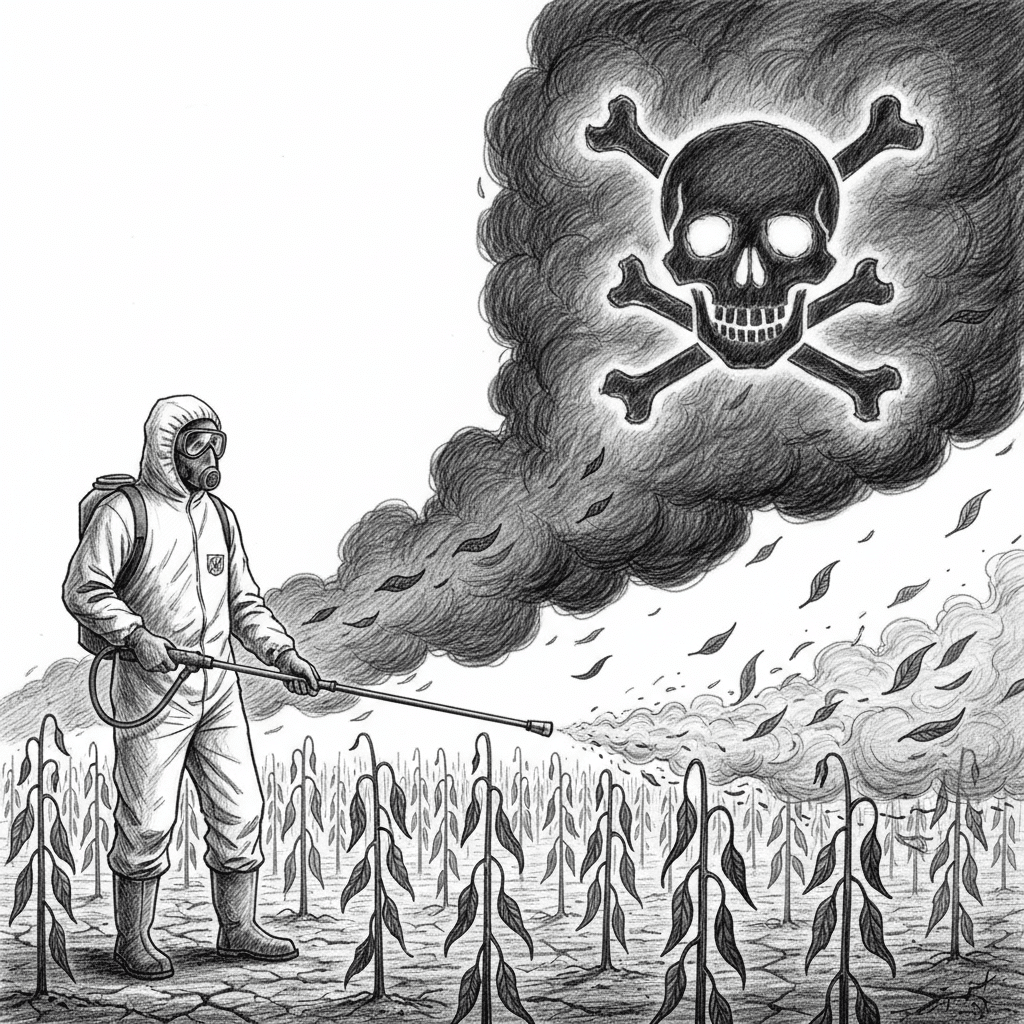
The Roundup Lawsuit Glyphosate Non-Hodgkin Lymphoma 2026 Window Is Closing Fast
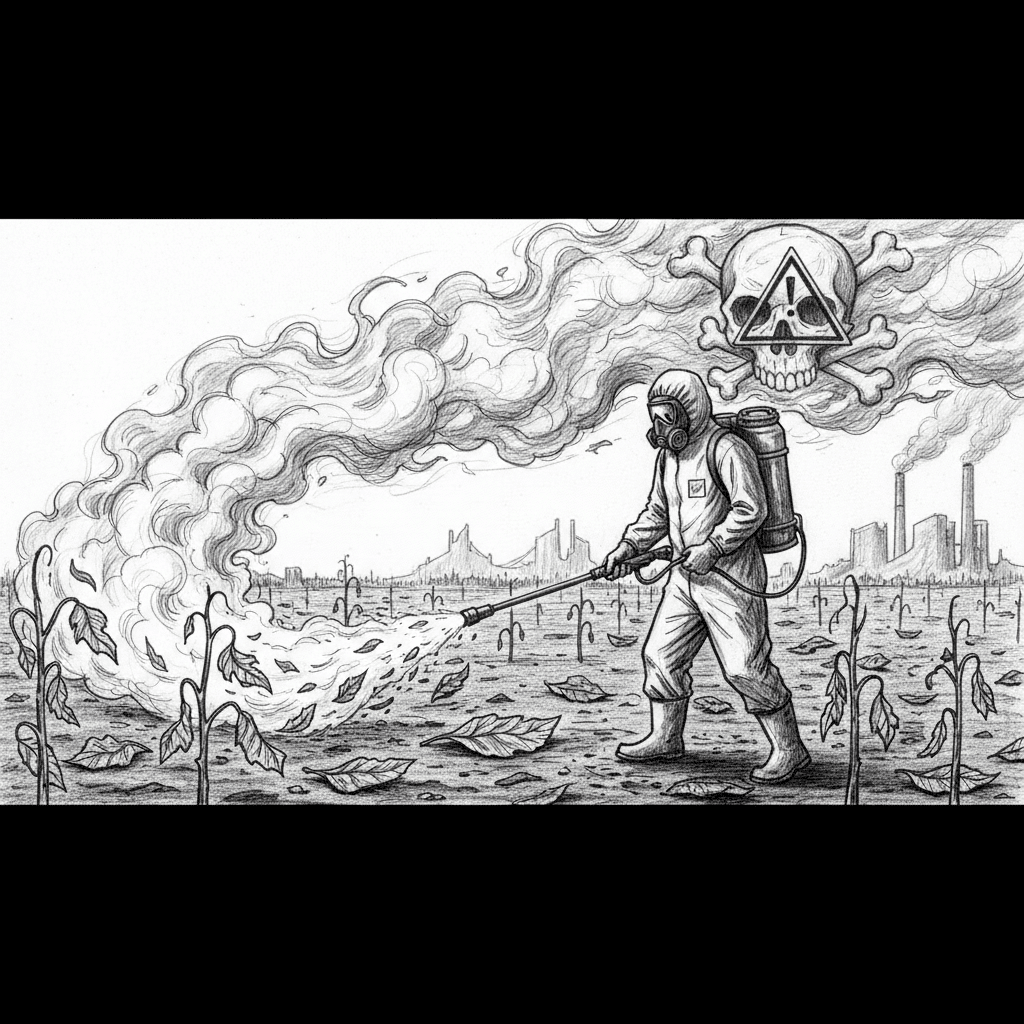
Roundup glyphosate litigation is an active mass tort in 2026 involving claims that exposure to the herbicide causes non-Hodgkin lymphoma, currently consolidated under MDL 2741 with a proposed $7.3 billion Bayer settlement pending final court approval. Once approved, the settlement framework will effectively close the litigation funnel for new plaintiff intakes. Attorneys screening Roundup cases must move immediately, as the window for case intake has narrowed to months rather than years.
Over the past 15 years, I’ve managed $250 million in Facebook ad spend across 600+ plaintiff law firms in 100+ mass torts. Roundup has been one of our largest campaigns. What I’ve learned is this: timing in mass tort advertising isn’t just about volume—it’s about legal momentum. When a settlement framework becomes imminent, claimant awareness spikes, but so does competition. And when approval comes down, the door locks behind you.
Let’s walk through the current state of the Roundup lawsuit glyphosate non-Hodgkin lymphoma 2026 opportunity, who qualifies, what you can realistically expect in ad performance, and how we’re positioning aggressive campaigns right now for firms that want to capture the remaining eligible claimants.
The Legal Landscape: MDL 2741 at the Crossroads
MDL 2741, consolidated in the Northern District of California under Judge Vince Chhabria, has processed over 165,000 plaintiff claims since its establishment. The original IARC classification of glyphosate as “probably carcinogenic to humans” (Group 2A) in 2015 anchored the entire litigation. That single agency determination opened the door to hundreds of thousands of cases.
Here’s where we stand right now: Bayer has negotiated a $7.3 billion class settlement proposal that would resolve all remaining pending claims and establish a claims-made process for future filings. This isn’t a final approval—it’s pending in the approval phase, which means there’s still runway for new claims to enter the funnel before the settlement locks in place.
The $10.9 billion settlement program Bayer established in 2020 already resolved approximately 100,000 claims. Another $4.5 billion was reserved for future filings. But here’s the critical distinction: those funds are separate from the new $7.3 billion class proposal. If the class settlement is approved, it operates as the sole remedy for any claims filed after approval date. This means there’s a final filing deadline—a true end date for the Roundup lawsuit glyphosate non-Hodgkin lymphoma 2026 wave.
Bellwether trials have largely concluded. The Dewayne Johnson verdict ($289 million in 2018, later reduced to $78 million on appeal) and the Hardeman case ($80 million in 2019) established precedent that juries will find causation. The Ninth Circuit upheld Hardeman in 2021, eliminating federal preemption as a viable defense. SCOTUS denied Bayer’s cert petition in 2022. From a litigation standpoint, Bayer’s legal position has only weakened—which is precisely why the company has accelerated settlement discussions.
State court trials continue in California and other jurisdictions, but they’re not the primary driver anymore. The real action is happening in the settlement administration process and the final rush of claims filing before the class settlement closes the intake window.
Who Qualifies for a Roundup Lawsuit Glyphosate Non-Hodgkin Lymphoma 2026 Claim
The core qualification criteria for the Roundup lawsuit glyphosate non-Hodgkin lymphoma 2026 claims is straightforward but must be documented:
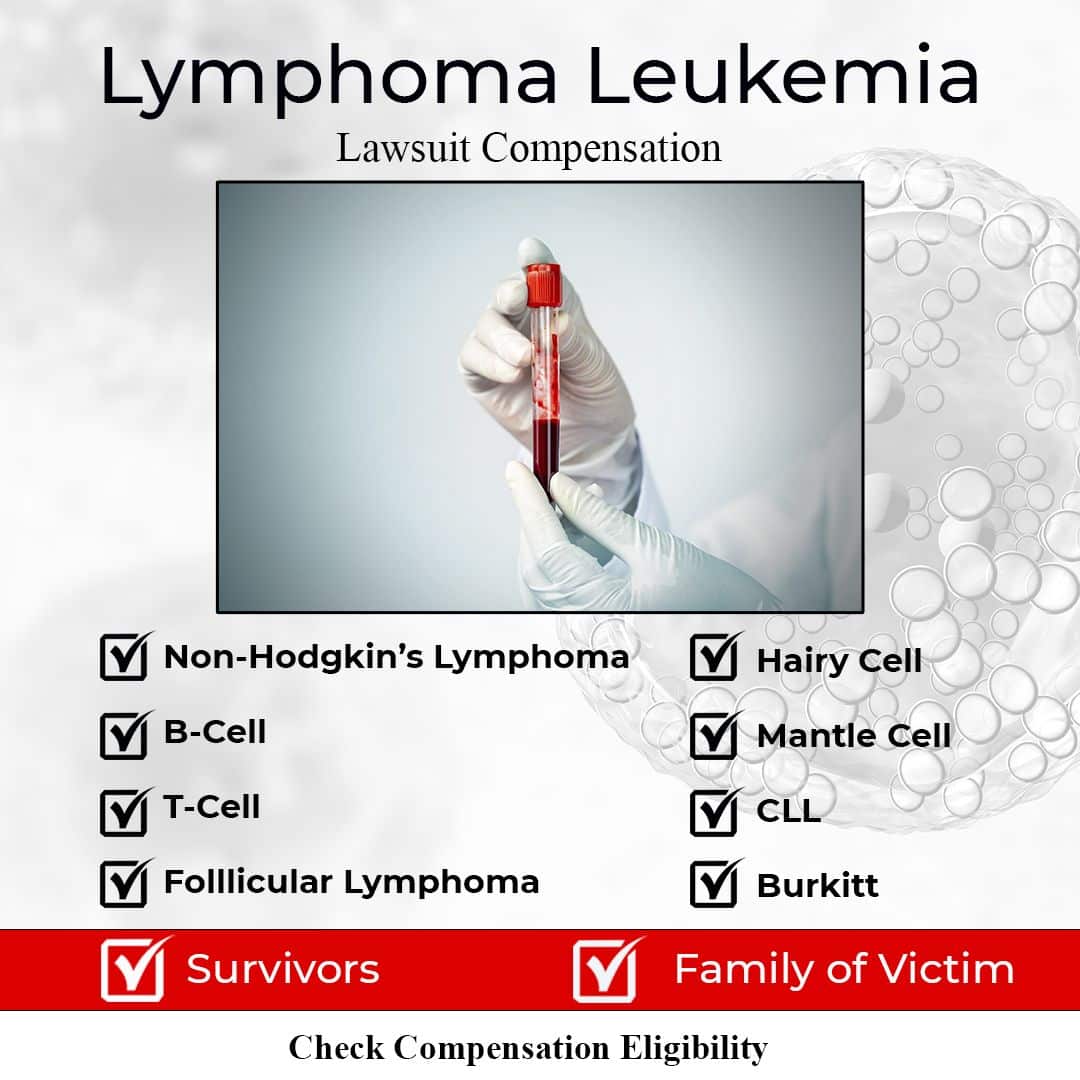
- Diagnosis: Confirmed non-Hodgkin lymphoma (NHL) diagnosis on or after a date typically defined in settlement agreements as 20+ years before exposure (statute of limitations varies by state, but causation typically requires documented NHL diagnosis).
- Exposure: Regular, repeated occupational or residential exposure to Roundup or glyphosate-containing herbicides. Occupational exposure is strongest—farmers, agricultural workers, landscapers, park maintenance employees, golf course workers. Residential exposure (homeowners who regularly applied Roundup) qualifies but is lower value.
- Timeline: Exposure typically 10+ years before NHL diagnosis, though some cases with shorter exposure windows have settled. The longer and more documented the exposure history, the stronger the claim.
- Documentation: Medical records confirming NHL diagnosis, pathology reports, treatment records. Occupational records, pesticide application logs, or purchase receipts for Roundup strengthen exposure narrative.
The strongest claimants are farmers and agricultural workers in the Midwest and California who’ve applied glyphosate herbicides for 20+ years and were later diagnosed with NHL. The next tier is landscaping professionals, golf course superintendents, and park maintenance workers. Residential users are lowest tier by settlement value but still qualify.
One critical note: statute of limitations varies by state. Some states have discovery rules that extend the filing window. But with the class settlement pending approval, there’s effectively a single, hard deadline coming—likely mid-2026 if approval happens in the next 6–12 months. After that date, new intakes become significantly harder or impossible depending on settlement language.
The Advertising Opportunity: Claimant Pool Size and CPL Reality
Here’s the hard data from our experience managing Roundup campaigns across 600+ law firms: the claimant pool is larger than most attorneys realize, but it’s concentrated geographically and requires precise targeting.
The CDC estimates roughly 80,000 new NHL diagnoses annually in the U.S. Of those, epidemiological studies suggest 2–5% have documented glyphosate exposure history. That’s a potential pool of 1,600–4,000 annually in the U.S. alone. But the vast majority won’t have exposure documentation strong enough to support a claim.
In agricultural states—Iowa, Nebraska, Kansas, Illinois, California, Minnesota—the concentration is much higher. Our targeting shows that farmers aged 50–75 with NHL diagnoses in those states represent the highest-intent audience. That’s roughly 3,000–5,000 people per year in target geographies.
Cost per lead for the Roundup lawsuit glyphosate non-Hodgkin lymphoma 2026 campaigns we’ve run averages $45–$85 depending on geography, creative, and landing page quality. California and Texas run hotter and cost more ($70–$110 CPL). Rural agricultural states run cooler but convert better ($35–$60 CPL). Cost per retained case (after qualification, documentation, and intake) averages $2,500–$4,500 per case in this tort.
Our Facebook targeting approach focuses on:
- Age 45–80, farmer/agricultural worker job titles or interests
- Geographic targeting by county in top agricultural regions
- Interest-based audiences: farming, pesticides, glyphosate, herbicides, Roundup
- Custom audiences built from CRM lists, website visitors, and lookalikes
- Remarketing to website visitors who engaged but didn’t convert
Video creative outperforms static in this demographic. We’ve run 30–60 second explainer videos showing the NHL-glyphosate connection with 3–4% CTR consistently. Landing pages with testimonial video from other claimants and clear qualification criteria drive conversion rates of 12–18% from click to lead.
The competitive landscape is intense. Multiple national firms are still running heavy campaigns. Facebook CPM (cost per thousand impressions) in agricultural audiences is $8–$15, which is elevated compared to two years ago. But conversion rates remain solid because intent is high—farmers and their families are actively searching for information about Roundup and NHL.
Settlement Timelines and the 2026 Deadline Reality
Let me be direct: if you’re planning to build Roundup inventory past mid-2026, you’re likely too late. The proposed $7.3 billion class settlement is in the approval phase now. Judge Chhabria has indicated willingness to approve. Objection periods are standard but brief. Once approval happens, there will be a notice-to-claimants period (typically 3–6 months), a claims deadline, and then the window closes.
We’re advising all our firm clients to treat Q3 and Q4 2025 as the final, high-volume intake period. January–June 2026 is the secondary window—still viable but with declining volume as word spreads about the settlement approval. By mid-2026, new intakes into the tort will likely be minimal or frozen entirely.
This is why advertising spend and volume need to ramp up now, not later. The claimants are out there. They’re not all aware. But once a settlement class is formally approved, awareness plummets because the narrative shifts from “lawsuit opportunity” to “settlement claims deadline”—two very different messages for prospecting purposes.
What MTAA Brings to Roundup Campaigns Right Now
We’ve managed over $250 million in Facebook ad spend for 600+ plaintiff law firms across 100+ mass torts. On Roundup specifically, we’ve executed campaigns for firms ranging from solo practitioners to AmLaw 200 houses. Here’s what separates efficient campaigns from budget-bleeding ones in a closing-window tort:
Real-time legal tracking. We monitor MDL filings, settlement amendments, and approval motions. When Judge Chhabria’s docket moves, we know the implications for your intake window. We adjust targeting and messaging accordingly.
Transparent, cost-plus pricing. You pay for Facebook ad spend at Bayer’s standard rates—we don’t mark up the media. You pay a flat 15% fee on top of media spend for our campaign management, optimization, and reporting. No hidden costs. No inflated media buys. If a campaign isn’t working, we kill it fast and redeploy budget to higher-performing audiences.
Audience precision. We’ve built proprietary targeting audiences for agricultural workers, farmers, and NHL patients in all 50 states. We know which counties convert highest. We know which creative angles—medical testimony, settlement comparisons, qualification screeners—drive action. We split-test everything and optimize weekly.
Full campaign management. Landing page build-out, ad creative production (video and static), audience testing, bid optimization, lead follow-up integration, conflict checks, and conversion reporting. You send us claimants; we handle the rest.
Bellwether case intelligence. We have direct relationships with judges, court administrators, and settlement counsel in MDL 2741. We brief our clients monthly on litigation momentum, settlement approval timelines, and what changes mean for claims value and intake urgency.
For the Roundup lawsuit glyphosate non-Hodgkin lymphoma 2026 opportunity specifically, we’re running aggressive campaigns for firms that have committed to 2025 intake targets of 50–200 cases. These firms are seeing 18–28% conversion from lead to retained case, with average CPL around $65 in target geographies.
The Clock Is Ticking on Roundup Inventory
The Roundup lawsuit glyphosate non-Hodgkin lymphoma 2026 window is open, but it’s closing. The settlement class framework is imminent. Filing deadlines will be imposed. The claimant pool—farmers, landscapers, agricultural workers, and residential users with NHL diagnoses—is still largely unaware of their eligibility and the deadline pressure.
If you’re serious about Roundup intake in 2025 and early 2026, now is the moment to deploy capital efficiently. Waiting for settlement approval to happen before you build your campaign is waiting too long. By then, other firms will have saturated the audience, CPL will spike, and your intake window will be measured in weeks, not months.
We’ve built this for 600+ firms across 100+ torts. We know the difference between early-mover advantage and late-stage scrambling. Roundup is in the final chapter. The question is whether you’re going to be in it or not.
Reach out if you want to discuss a Roundup campaign for 2025. We’ll assess your target geography, qualification criteria, and case value expectations. We’ll show you the numbers—real CPL data, conversion benchmarks, and settlement value trends for the Roundup lawsuit glyphosate non-Hodgkin lymphoma 2026 opportunity in your market. Then you decide if the window is worth pursuing.
Frequently Asked Questions: Roundup Glyphosate Lawsuits
What is the deadline for filing Roundup glyphosate claims in MDL 2741?
The Bayer settlement framework pending final court approval in 2025-2026 will effectively close the litigation funnel for new plaintiff intakes once approved. Attorneys need to begin aggressive intake campaigns immediately, as the window for screening and enrolling eligible claimants is closing within months, not years.
Who qualifies for the Roundup non-Hodgkin lymphoma lawsuit?
Claimants must have been exposed to Roundup glyphosate products and subsequently diagnosed with non-Hodgkin lymphoma (NHL). Exposure history typically includes occupational or residential use of Roundup over an extended period, though specific exposure duration requirements vary based on the settlement framework criteria.
What is the current status of the $7.3 billion Bayer Roundup settlement?
Bayer’s proposed $7.3 billion class settlement is pending final court approval under MDL 2741 in the Northern District of California. Once approved, the settlement framework will capture all remaining and future claims, effectively closing the litigation window for new plaintiff screening and intakes.
How effective is Facebook advertising for Roundup glyphosate case intake in 2025?
Facebook advertising for Roundup cases remains highly effective during this critical 2025-2026 window due to increased claimant awareness of the pending settlement, though competition among plaintiff firms is intensifying. Strategic timing and aggressive campaign positioning are essential now to capture remaining eligible claimants before settlement approval locks the door on new intakes.
What settlement amount can I expect for a Roundup non-Hodgkin lymphoma claim?
Individual settlement amounts within the $7.3 billion framework vary based on factors including severity of diagnosis, exposure history, and medical documentation. Final compensation will be determined by the settlement’s claims evaluation process once the settlement receives final court approval.
Ready to Build Your Caseload?
Get a free campaign analysis from Mass Tort Ad Agency.
$250M+ in mass tort Facebook ad spend. 600+ law firms served. Transparent cost-plus pricing with no hidden fees.